


네이버 웹툰 - Naver Webtoon
NAVER WEBTOON
I spent time with 네이버 웹툰 - Naver Webtoon as a reading app rather than treating it like a simple catalog. That distinction matters: its value comes from how quickly I can move from a familiar series to something new, how comfortable it feels during a long reading session, and how much patience it demands when a comic is image-heavy. It is a free comics app from NAVER WEBTOON, aimed at Teen readers, and it has the kind of broad audience that makes sense for a platform built around regular webcomic reading.
My first impression was that this is best understood as a daily reading habit app. The Korean store summary describes new Naver webtoons every day, and that rhythm is central to the experience. I would recommend it to someone who likes checking for fresh episodes, following several ongoing stories, and discovering series through a dedicated webtoon environment. I would be more cautious with it for someone who wants a quiet, one-time download of a complete graphic novel with no ongoing browsing or purchase decisions.
How the app feels during everyday reading
Speed expectations before a long session
The app feels most responsive when I already know what I want to read. Opening the catalog, selecting a series, and moving through familiar screens is a straightforward routine. The perceived speed is less about flashy animation and more about how quickly I can get back into a chapter. That makes the app suitable for short reading breaks, such as checking an update while commuting, waiting for an appointment, or taking a few minutes away from work.
Image-based comics naturally create a different expectation from text-heavy apps. A webtoon page needs to display artwork, and a full chapter can contain a long vertical stream of images. I found it more useful to judge performance by the continuity of scrolling than by the speed of a single tap. When the app keeps the next portion of a chapter ready, reading feels effortless; when a page needs a moment to appear, the interruption is much more noticeable because it breaks the visual flow.
For that reason, I would not describe every moment as equally instant. The opening of a popular or visually dense chapter can feel more demanding than browsing a list of titles. This is not a reason to avoid the app, but it does shape where it works best. A stable connection and a little preparation before settling in make a bigger difference here than they would in a basic text reader.
Related News

Why WhatsApp Messenger Still Makes Everyday Communication Feel Easy

Jurassic World: The Game Is the Better Dino Tycoon for Strategic Players

Threads in Real Life: Who Should Join, Lurk, or Leave

How SHEIN Turned Shopping Into an Endless Content Feed

How to Make Fortnite Feel Smarter on Mobile

Should You Switch to Microsoft Outlook on Mobile?
What happens during heavier use
My most comfortable sessions were not necessarily the shortest ones. Reading a single chapter is simple, but moving between several series, browsing recommendations, and returning to a previous title puts more pressure on the device and on my attention. The app encourages that kind of extended use because a reader can easily start with one update and continue exploring the catalog afterward.
The main trade-off is visual content. A long chapter may ask the app to load many illustrated panels as I scroll, so the experience can feel heavier than reading a conventional e-book. On a newer phone, that is unlikely to be a serious concern during ordinary use. On an older or more limited device, I would avoid keeping many other demanding apps active at the same time, especially if the phone already struggles with memory or has little free storage.
One practical habit helped me: I decide what I want to read before beginning a long session instead of repeatedly jumping between unrelated titles. That reduces unnecessary browsing and makes the app feel calmer. It also helps when I am using a smaller screen, because constant navigation can make a reading app feel more tiring than the comic itself.
Gallery
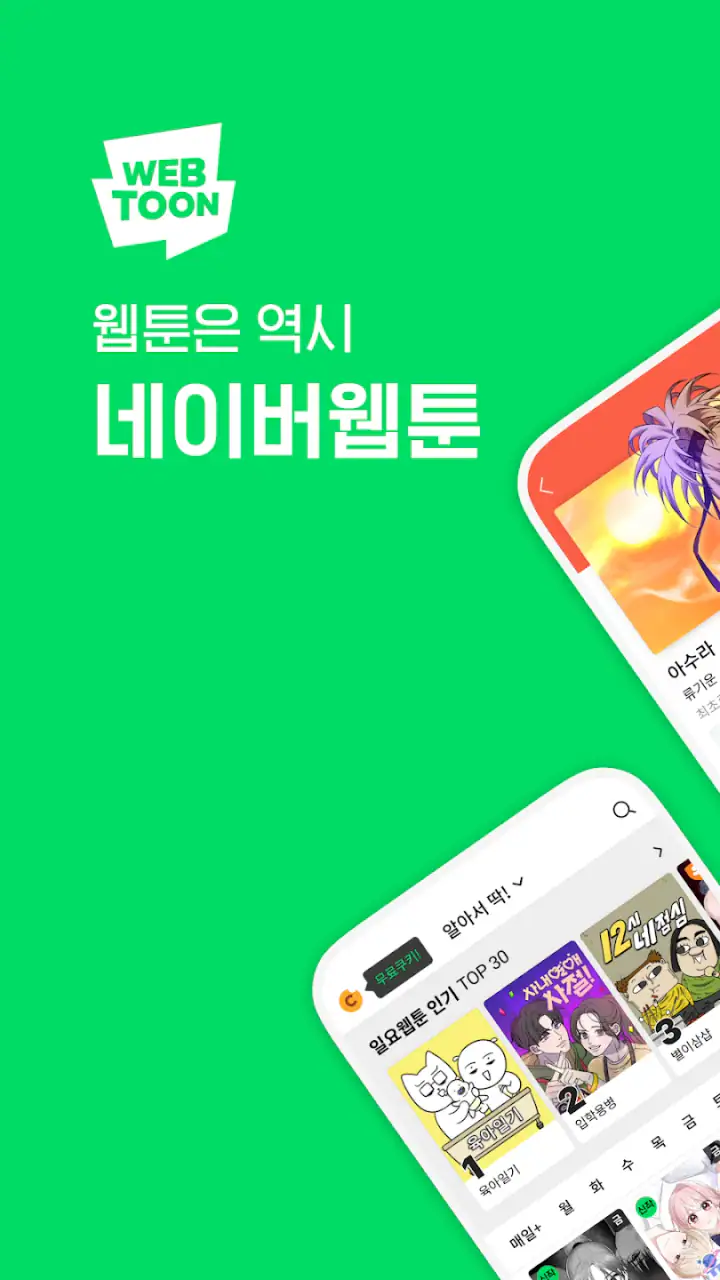
Another useful approach is to treat the catalog and the chapter reader as two different workloads. Browsing is lighter and more exploratory, while reading a long illustrated episode is more continuous and resource-sensitive. If the app feels less smooth during a particularly elaborate chapter, I do not interpret that as a general failure of the whole application. It is a reminder that webtoon reading is closer to viewing a stream of artwork than opening a plain document.
Reliability and recovering from interruptions
Reliability matters more to me than a polished first launch. I want to return to a series after a phone call, a notification, or an accidental exit without having to reconstruct where I was. In practice, I found the app most dependable when I used it as a focused reader: open a title, read at a steady pace, and return to the catalog when I am finished.
Interruptions are still part of real life. A weak connection, a background task, or a phone that is running low on resources can interrupt the flow of image loading. When that happens, my preferred recovery method is simple: pause, let the current section settle, and reopen the chapter if the reader has lost its place. I would not rely on any comics app as my only option for reading during a completely unreliable connection unless I had already prepared the session in advance.
The important point is that recovery is usually less frustrating when I remember the title and chapter I was reading. I keep my reading choices deliberate rather than opening many series at once. That small workflow makes it easier to resume after an interruption and prevents the catalog from becoming a maze of half-started stories.
There is also a psychological side to reliability. Because new episodes can keep appearing, I am more likely to return regularly than with a static comics collection. That is a strength for readers who enjoy serialized storytelling, but it can feel like pressure for anyone who prefers to read only when a complete story is available. The app is reliable as a recurring destination; it is not necessarily the best match for a reader who dislikes waiting between installments.
Device limits and operating-system fit
The current version is 2.40.0, and the app supports devices running Android 7.0 or later. That gives it a relatively broad reach among Android phones, including older models, although operating-system compatibility alone does not guarantee an equally smooth experience on every handset. Screen size, available memory, storage space, and the condition of the phone will all affect how comfortable long illustrated chapters feel.
On a compact phone, the vertical format is convenient because I can scroll with one hand, but small lettering and detailed artwork may ask me to slow down. On a larger display, panels are easier to appreciate, though a long session can also make the phone feel more cumbersome. I would choose the device based on reading comfort rather than raw power: a modest phone with a clear, responsive screen can be more pleasant than a faster device that is awkward to hold.
Resource demands are most noticeable when the app is competing with other activity. If I am switching constantly between a video app, a browser with many open pages, and a long comic chapter, I expect more chances for the reader to reload or lose its exact position. Closing unnecessary background activity before a long session is a sensible precaution, particularly on older hardware.
I also recommend checking the available storage before making this a daily reading destination. I am not assigning a specific storage requirement, because the practical impact depends on how the phone is used, but image-rich reading apps are not ideal on a device that is already full. Keeping some breathing room helps the entire phone, not just this app.
Who will enjoy the reading model
I think this app is a strong fit for readers who like serialized comics, frequent discovery, and a catalog that gives them reasons to come back. It also suits people who read in small pieces. A chapter can become part of a daily routine without requiring the same uninterrupted time as a printed volume. The free entry point makes it easy to try the reading experience before deciding whether the catalog matches personal taste.
The app is less suitable for someone who wants a carefully curated, offline-first library or who dislikes in-app purchasing prompts. The listed in-app purchase range runs from $0.10 to $69.99 per item, so readers should pay attention when moving beyond free access. I treat purchases as an optional part of the experience and prefer to understand what I am selecting before confirming anything. That is especially important for younger readers, since the content rating is Teen and the app is not aimed at very young children.
It is also not my first choice for someone who reads only completed graphic novels. A traditional digital bookstore or a dedicated comic reader may be better when the priority is owning a finished volume, organizing a personal library, or reading without the ongoing cadence of episode releases. Naver Webtoon is more appealing when discovery and continuing series are the point.
Useful habits that improve the experience
My first tip is to separate discovery time from reading time. I browse when I am in the mood to look around, then start a chapter only when I can give it enough attention. This avoids the common problem of spending the whole break searching and leaving no time to read. It also makes the app feel faster because I am not judging every catalog transition as if it were part of the reading experience.
My second tip is to use a consistent resume routine. When I stop midway through a chapter, I make a mental note of the series and the scene instead of assuming every app will restore the exact scroll position perfectly. That takes only a moment and makes recovery much easier after a call, a crash, or an accidental swipe away from the reader.
My third tip is to test a long chapter before committing to a large reading queue. A short sample can tell me whether the text size, panel spacing, and scrolling pace suit my phone. This is more useful than judging the app from the catalog alone. A title that looks appealing in a thumbnail may be tiring to read on a small display, while a visually simple series may feel exceptionally comfortable during a long session.
A fourth consideration is spending discipline. Since the app is free but includes purchases, I would decide in advance whether I am only sampling free content or whether I am willing to pay for selected access. That boundary prevents the convenience of immediate reading from turning into an unplanned expense. It also helps me compare the value of a single episode with the alternative of waiting or choosing another series.
How it compares with familiar alternatives
Compared with a general e-book reader, this app feels more focused on visual storytelling and ongoing discovery. An e-book reader is usually better for novels, long-form text, and a personal collection of books. Naver Webtoon is better when I want the artwork and vertical presentation to guide the experience, with the catalog itself acting as part of the entertainment.
Compared with a digital comics store, the difference is the reading relationship. A store-centered service often puts ownership, purchases, and completed volumes at the center. Here, I feel more connected to a continuing stream of series and updates. That can be more engaging, but it also means the app may not satisfy someone who wants a clean shelf of finished books and minimal browsing.
Compared with reading comics through a mobile browser, the dedicated app is more comfortable for repeated use because I am entering a purpose-built environment rather than starting from a general web page every time. The browser remains useful when I need flexibility across devices or do not want another app installed. For a regular reader, though, the dedicated format makes the habit feel more direct.
The choice is therefore not simply about which option has the most titles. It is about whether I want a daily webtoon routine, a purchased library, a general reading tool, or occasional browser access. Naver Webtoon earns its place when the first of those descriptions sounds like me.
My performance verdict after regular use
My overall impression is positive, with a clear condition: performance depends on treating the app as an image-heavy reader rather than a lightweight text utility. Browsing and ordinary chapter navigation feel approachable, while long, detailed episodes can be more demanding on older devices or during unstable connectivity. I did not find that trade-off surprising, but it is important for anyone deciding whether the app will fit an older phone.
The platform has a 4.4 average from around 305 thousand ratings, and it has passed 10 million installs, which reflects a substantial audience for this comics category. Those figures do not replace personal testing, but they do match my sense that this is an established destination rather than a niche experiment. NAVER WEBTOON has built the app around repeated reading, discovery, and serialized engagement.
I would install it if I wanted a free way to explore webtoons, follow ongoing stories, and read in short daily sessions. I would skip it if my priorities were completed books, strict offline independence, or a completely purchase-free experience. For everyone in between, the safest approach is to try several different chapter lengths on the intended device and pay attention to comfort, loading interruptions, and how easy it is to resume.
In the end, 네이버 웹툰 - Naver Webtoon works best when its rhythm matches yours. It rewards curiosity and regular visits, handles casual reading well, and offers enough variety to make a short break feel worthwhile. Its limitations are tied to the same design that makes it attractive: illustrated chapters can be demanding, serialized reading asks for patience, and optional purchases require awareness. For me, that balance still makes it an easy recommendation to a friend who wants webtoons to become part of an everyday reading routine.
FAQs for 네이버 웹툰 - Naver Webtoon
What is Naver Webtoon, and how does it work?
Naver Webtoon is a digital comic platform that offers a vast library of webtoons, which are digital comics optimized for smartphones. Users can access thousands of titles across various genres such as romance, fantasy, and horror. New episodes are released regularly, and the app allows for offline reading, ensuring you can enjoy your favorite webtoons anywhere.
Is Naver Webtoon free to use, or are there any hidden costs?
Naver Webtoon is free to download and offers a substantial amount of content at no cost. However, some webtoons might require in-app purchases or 'coins' to unlock episodes ahead of their free release. There are also ads within the app, and users can choose to purchase a subscription to enjoy an ad-free experience.
What kind of content can I expect on Naver Webtoon?
Naver Webtoon offers a wide variety of content, catering to different tastes and preferences. You can find genres like romance, action, thriller, comedy, and drama. The platform is known for its diverse storytelling and creative art styles, providing something for everyone, whether you prefer light-hearted stories or intense dramas.
How does Naver Webtoon handle updates and new content?
Naver Webtoon is updated frequently, with new episodes of popular webtoons released weekly. The app also introduces new series regularly, keeping the content fresh and engaging. Users can subscribe to their favorite webtoons to receive notifications when new episodes are available, ensuring they never miss an update.
Is there a community or social aspect to Naver Webtoon?
Yes, Naver Webtoon has a robust community feature where users can interact through comments on episodes. This allows readers to share their thoughts and theories with others. Additionally, the platform occasionally hosts events and contests, encouraging user participation and engagement with creators and fellow readers.
Pros
- Vast library of diverse webtoons.
- Frequent updates with new episodes.
- User-friendly and intuitive interface.
- Offline reading available for convenience.
- Interactive community features.
Cons
- Contains ads that can be disruptive.
- Some content may require in-app purchases.
- Limited language options for some users.
- Notifications can be overwhelming at times.
- Occasional app performance issues.


